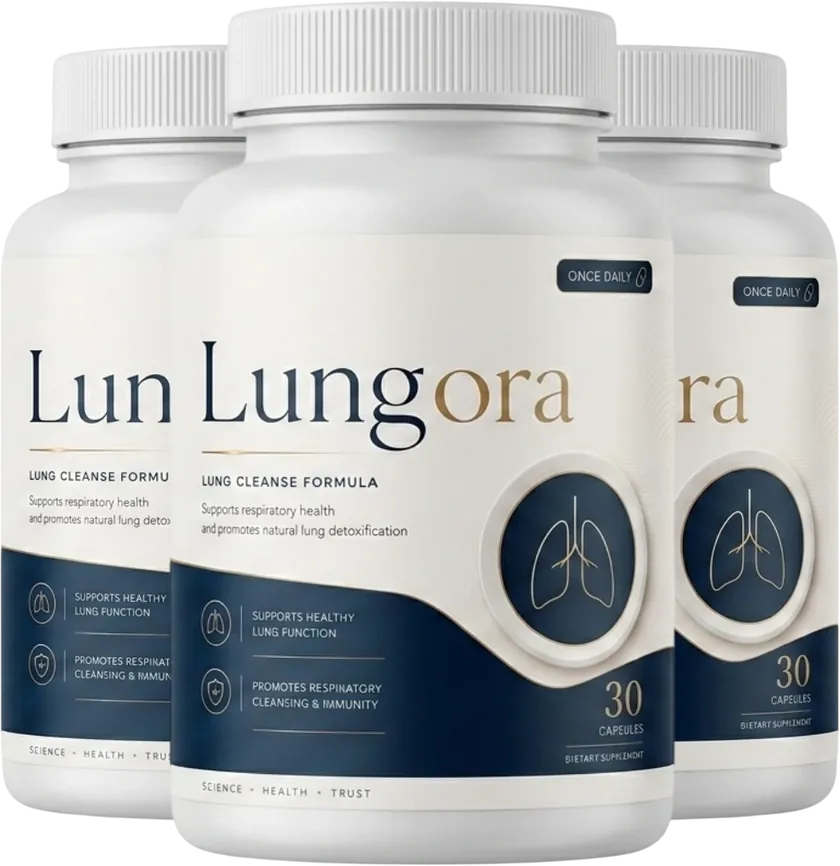
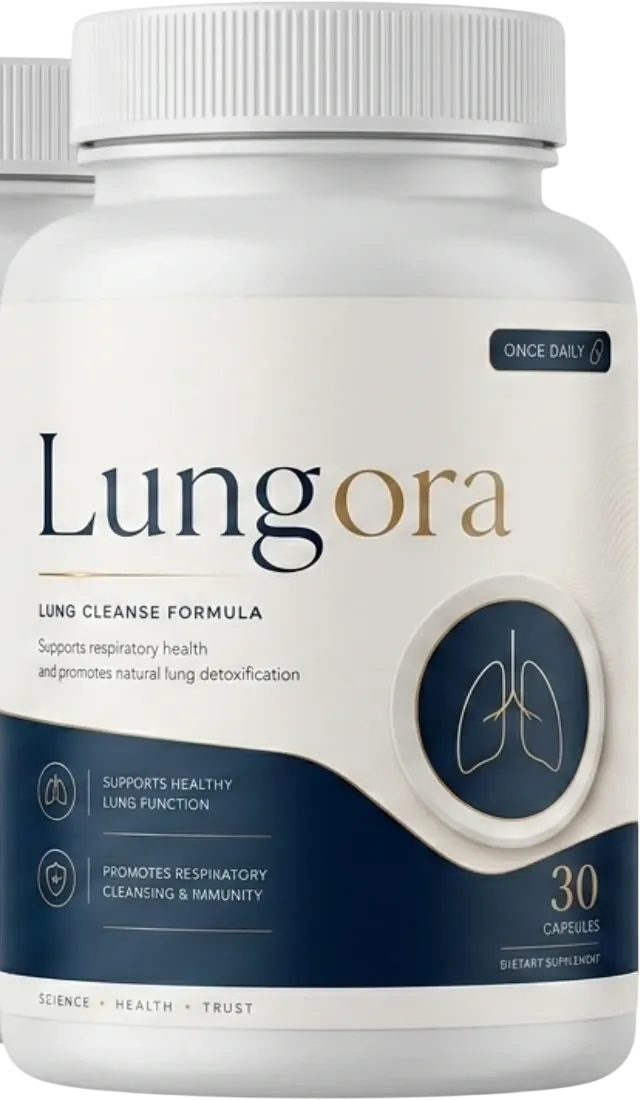
What the Lungora lot and CoA reference actually confirms
Lot LUN-26/GO-7591 and CoA LUN-7591-26-GO are draft references we were given, not a lab result. Neither confirms testing happened. A real certificate of analysis names a lab, a test date and measured values for identity, potency and contaminants. Match your bottle to your order by calling the order desk with the order ID.
What the lot and CoA references actually are
The lot code LUN-26/GO-7591 and the certificate reference LUN-7591-26-GO came to us as draft references inside the seller's working material. Neither is a lab report. Neither is searchable in a public database. Saying so plainly is the honest reading of what we were actually given, rather than presenting a reference number as if it were proof.
A lot code by itself only ever means one thing: this batch of capsules is the same batch as every other bottle sharing that code. It does not mean a lab tested that batch, and it does not mean the number on the bottle in your hand matches a certificate anyone can open. Those are two different claims, and only the first one is something a lot code actually does.
makes it easy to paste this exact code into an email or a search box, which is useful for your own records even though it will not surface a public lab result.
What a real certificate of analysis contains
| What a real CoA shows | Why it matters |
|---|---|
| The testing lab's name and accreditation | Tells you who ran the test and whether that lab is qualified to run it. |
| The exact lot number it covers | A certificate for the wrong batch tells you nothing about the bottle you hold. |
| The date the sample was tested | A test from years ago says little about a batch made or stored since. |
| Identity confirmation for each labeled ingredient | Confirms the capsule actually contains what the panel says, not a substitute. |
| Measured potency, ideally per ingredient | Shows how much of something is actually present, matched against the label claim. |
| Contaminant screening | Heavy metals, microbial counts and, for a plant extract, pesticide residue where relevant. |
| A signature or reference a lab will stand behind if asked | Without this, there is no one to call and confirm the document is genuine. |
None of the seven rows above exist for Lungora on this site. A reference number without a document behind it, and a document without a lab willing to confirm it issued that document, are both short of what a real CoA provides.
How to read a lot code and a best-before date
A lot code and a best-before date do two different jobs, and confusing them causes most of the complaints about "expired" supplements that are not actually expired. The lot code identifies the manufacturing batch. It is how a company traces a specific production run if something needs recalling. It is not a date.
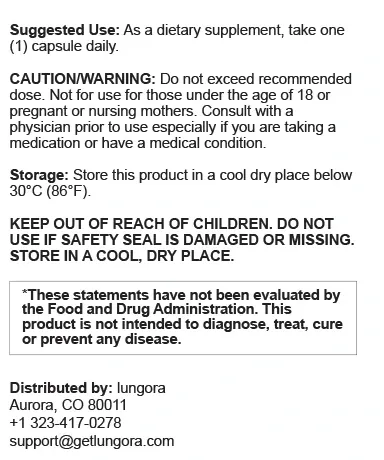
A best-before or expiration date, printed separately on the bottle if it is printed at all, is the manufacturer's estimate of how long the capsules hold their stated potency when stored as directed. The label's own storage line, "store this product in a cool dry place below 30°C (86°F)," matters here: a bottle left in a hot car will not last as long as the printed date implies, whatever the code says.
If your bottle shows a code but no date you can read, or a date but a smudged code, note both exactly as printed before you call, rather than guessing which is which over the phone.
Why a reference number by itself is not verification
A reference is not a document
A string of letters and numbers is easy to print on any page. A certificate is a document a named lab stands behind, with a date and a signature attached to it.
A retailer cannot manufacture proof
Golungora sells Lungora as an authorized US retailer. We did not run the test, and we cannot create a lab result that was never handed to us. We can only tell you plainly what we were given.
Silence is not the same as a clean result
A batch with no public certificate is not automatically a failed batch. It is an unverified one, and those are two different things worth keeping separate in your head.
This distinction matters because the same undisclosed-amount problem shows up twice on this label. The 575 mg proprietary blend does not say how much of any single ingredient it contains, and the batch reference does not point to a document that says whether any of those undisclosed amounts were actually measured in a lab. Neither gap proves the product is wrong. Both gaps mean a reader cannot check the claim for themselves, which is the same standard this entire site tries to apply everywhere else.
If a future certificate does surface, tied to a real accredited lab and a real test date for this exact lot, this page is where we would link it and say so. Until then, treating a reference number as proof would be the kind of shortcut this site was built to avoid.
How to match your bottle to your order
Find your order ID
It sits in the confirmation email sent right after checkout, and it is the fastest way for the order desk to pull up exactly what shipped to you.Call or write to the order desk
Give the order ID first. This website's own inbox cannot see orders and cannot confirm a batch.Read out the lot code on your bottle
Exactly as printed, including any letters, slashes or dashes. A single mistyped character can point the desk at the wrong batch.Ask what shipped against that order ID
The desk can confirm which batch was packed for your specific order, which is a more useful check than any code matching a page on this site.
If a bottle looks wrong or the seal is broken
The seal is broken or missing
The label says plainly: do not use the product if the safety seal is damaged or missing. Stop, do not open it further, and contact the order desk before taking a capsule.
The bottle looks different from what you expected
A different cap color, a smudged print run or capsules that look, smell or feel unlike a normal batch are worth reporting, even if you are not sure anything is actually wrong.
- Photograph the bottle, the cap, the lot code and the seal before you contact anyone, so the order desk can see exactly what you see.
- Keep the outer box and any packing slip; they often carry a second copy of the lot code.
- Call the order desk rather than emailing first if you are not going to use the product until it is resolved, since a call gets a same-day answer.
- Do not take a capsule from a bottle with a broken or missing seal, whatever the lot code says.
A wrong-looking bottle is a question for the order desk, not a reason to assume the worst or to assume nothing is wrong. Either way, the order desk is the right first call, and the order ID makes that call faster.
Where the rest of this lives
None of this means the product in your hand is unsafe. It means a reference number, on its own, is not the same thing as a lab confirming it. The seals printed on the seller artwork, and what they do and do not verify, are covered in full on the testing and quality page. What is actually in the 575 mg proprietary blend, and why none of it is published per ingredient, is on the ingredients page.
Questions about this page go to the website inbox, which corrects wording but cannot look up a batch. Questions about a specific bottle or order go to the order desk.
Batch Verify: common questions
Is LUN-26/GO-7591 a real lab-verified lot?
It is a draft reference in the seller material we were given, not a lab report, and it is not searchable in any public database.
What does CoA LUN-7591-26-GO actually confirm?
Nothing on its own. It is a certificate reference, not a certificate. We have not been given the underlying lab document.
What should a genuine certificate of analysis include?
The testing lab's name, the lot it covers, the test date, identity and potency results for the labeled ingredients, and contaminant screening.
What is the difference between a lot code and a best-before date?
The lot code identifies the manufacturing batch. The best-before date estimates how long potency holds under the stated storage conditions. They answer different questions.
How do I check my bottle against my order?
Call or email the order desk with your order ID and the exact lot code printed on your bottle.
What if my bottle's seal is broken?
Do not use it. The label itself says not to use the product if the safety seal is damaged or missing. Contact the order desk before taking a capsule.
Can I look up the lot code myself online?
Not in any public database we found. It functions as an internal batch reference, not a public lookup code.
Who do I tell if a bottle looks wrong?
The order desk with photos of the bottle, cap and lot code. This website's own inbox cannot check a batch.
Keep reading
What do the seals on the bottle actually mean?
Each mark on the artwork, what it verifies and what it leaves unverified.
Read →Why does this site publish no Lungora reviews?
Why a score, a review count and quotes marked as layout copy never made it onto this page.
Read →How does the 60-day refund work?
What the guarantee covers, how to claim it, and who pays return shipping.
Read →Order Lungora from the authorized retailer
30 capsules per bottle, one capsule a day. Kits of 2, 3 or 6 bottles run from $49 a bottle on the sales page, with a 60-day money-back guarantee. Questions first? The FAQ page answers most of them.